

POPULAR
BLOG POSTS


- Ayurvedic Treatment for PMOS: How Panchakarma and Ayurvedic Fertility Care Support Hormonal Balance
Sep 09, 2026 - Ayurvedic Treatment for Women: Hormones, Hair, Skin, Stress & Fertility
Sep 1, 2026 - Leech Therapy Ayurveda for Varicose Veins: Reduce Pain and Improve Blood Circulation Naturally
Aug 27, 2026 - How Panchakarma Treatment Supports Natural Detoxification and Wellness
Aug 20, 2026 - Kerala Panchakarma for Back Pain and Joint Stiffness
Aug 1, 2026 - Ayurvedic Rejuvenation Treatment: What It Is and How It Works
July 21, 2026 - An Ultimate Guide for Ayurvedic Treatment of Sinusitis and Allergies
July 10, 2026 - How Ayurveda Supports Weight Management Without Dieting
June 30, 2026 - Planning a Karkidaka Chikitsa Retreat in Wayanad, Kerala: A Guide for International Guests
June 22, 2026 - Best Time for Panchakarma in Kerala: Why Choose a Monsoon Ayurveda Detox Retreat?
June 8, 2026 - Heal Naturally with Monsoon Treatments in Ayurveda: A Guide to Karkkidaka Treatment
May 30, 2026 - What is hypertension? Symptoms, causes, and Ayurveda treatments
May 26, 2026 - Why Monsoon is the Best Time for Kizhi Therapy in Ayurveda
May 25, 2026 - Why Shirodhara is Done: 7 Powerful Benefits for Mind & Body
April 17, 2026 - 7 Powerful Benefits of an Ayurveda Retreat
April 17, 2026 - Nasyam: The Ayurvedic Nose Therapy That Clears More Than Congestion
March 10, 2026 - Why One-Size-Fits-All Wellness Fails: A Guide to Your Ayurvedic Body Type
Feb 17, 2026 - Ayurvedic Detox: How to Cleanse Your Body the Natural Way
Feb 17, 2026 - Breathe Easy: Natural Ayurvedic Solutions for Sinus and Cold-Season Problems
Feb 7, 2026 - Living in Balance: A Daily Guide to Yoga and Ayurveda
Jan 12, 2026 - 10 Reasons Why Panchakarma Is the Ultimate Detox
Oct 28, 2025 - From Panchakarma to Peace: A Beginner's Guide to Ayurveda
Aug 30, 2025 - Transformative Healing Through Personalized Ayurveda at Shatavari Ayurveda
July 15, 2025 - Balance Your Doshas with the Seasons: A Fresh Approach to Eating
June 29, 2025 - How Vata, Pitta, and Kapha Influence Your Mind, Body, and Energy ?
June 13, 2025 - Why an Ayurveda Resort in Wayanad Is the Ultimate Wellness Gateway ?
May 29, 2025 - Ayurveda Leech Therapy: A Time-Tested Healing Practice
April 22, 2025 - Cupping Therapy: An Ancient Healing Practice for Modern Health
April 3, 2025 - Ayurveda for Mental Wellness: Healing Stress and Anxiety Naturally
March 8, 2025 - The Science Behind the Healing Power of Ayurveda
Feb 20, 2025 - Panchakarma: Five Ayurvedic Therapies for Effective Detoxification
Feb 11, 2025 - Why Ayurveda Could Be Europe’s Hottest Wellness Trend ?
Jan 22, 2025 - Yoga for Health: A Path to Physical and Mental Well-being
Aug 16, 2024 - Ayurveda in Europe: Integrating Eastern Medicine into Western Lifestyles
Aug 16, 2024 - Wayanad United: Shatavari Ayurveda’s Commitment to Healing and Hope
Aug 16, 2024 - Ayurveda: Science of Life - Ancient Wisdom for Contemporary Health
Aug 8, 2024 - Kerala Wellness Centres_ Your Guide to Ayurvedic Detox and Rejuvenation
Jul 20, 2024 - How My Visit to an Ayurveda Retreat Centre Transformed My Life ?
Jul 18, 2024 - What is an Ayurveda Retreat?
Jul 13, 2024 - Shatkarma and Its Role in Modern Yoga Practice
Jul 10, 2024 - Best Ayurvedic Package for Women
Aug 3, 2023 - Yoga: A Holistic Way to Boost Your Respiratory Health and Overall Well-being
Jul 28, 2023 - Does Yoga Improve Lung Function?
Jul 5, 2023 - Best Ayurvedic Treatment for Stress
June 20, 2023 - Where to Get an Ayurvedic Consultation in Europe?
June 26, 2023 - How Is Ayurveda Beneficial For Arthritis?
June 18, 2023 - The Role of Ayurveda In the Constitution of The Body
June 1, 2023 - Which Is the Best Ayurvedic Treatment Centre in Kerala?
May 30, 2023 - The Healing Power of Food
May 23, 2023 - Ayurveda: Ancient Wisdom for Modern Well-Being
May 18, 2023 - Ayurveda's Simple Ways to Reduce Stress
May 2, 2023 - Ayurveda's Ancient Magic Meets Modern Living
April 20, 2023 - Ayurvedic Immunity Boosting Measures
Mar 31, 2023 - Ayurvedic Treatment for Post-Covid Health
Mar 25, 2023 - Indian Spirituality
Mar 13, 2023 - Does Ayurveda Treat Weight Loss?
Feb 21, 2023 - Ayurveda Doctor in Europe
Feb 5, 2023 - Ayurveda Treatments in India: How to Get an Online Medical Visa?
Jan 24, 2023 - Kerala Ayurvedic Centre
Dec 10, 2022 - Ayurvedic Spa Treatments
Nov 25, 2022 - Ayurvedic Capsules for Good Health
Oct 10, 2022 - How Can Ayurvedic Treatment Help People with Diabetes?
Jun 3, 2022 - Why Is Kerala Considered the Ideal Destination for Ayurvedic Treatment?
May 10, 2022
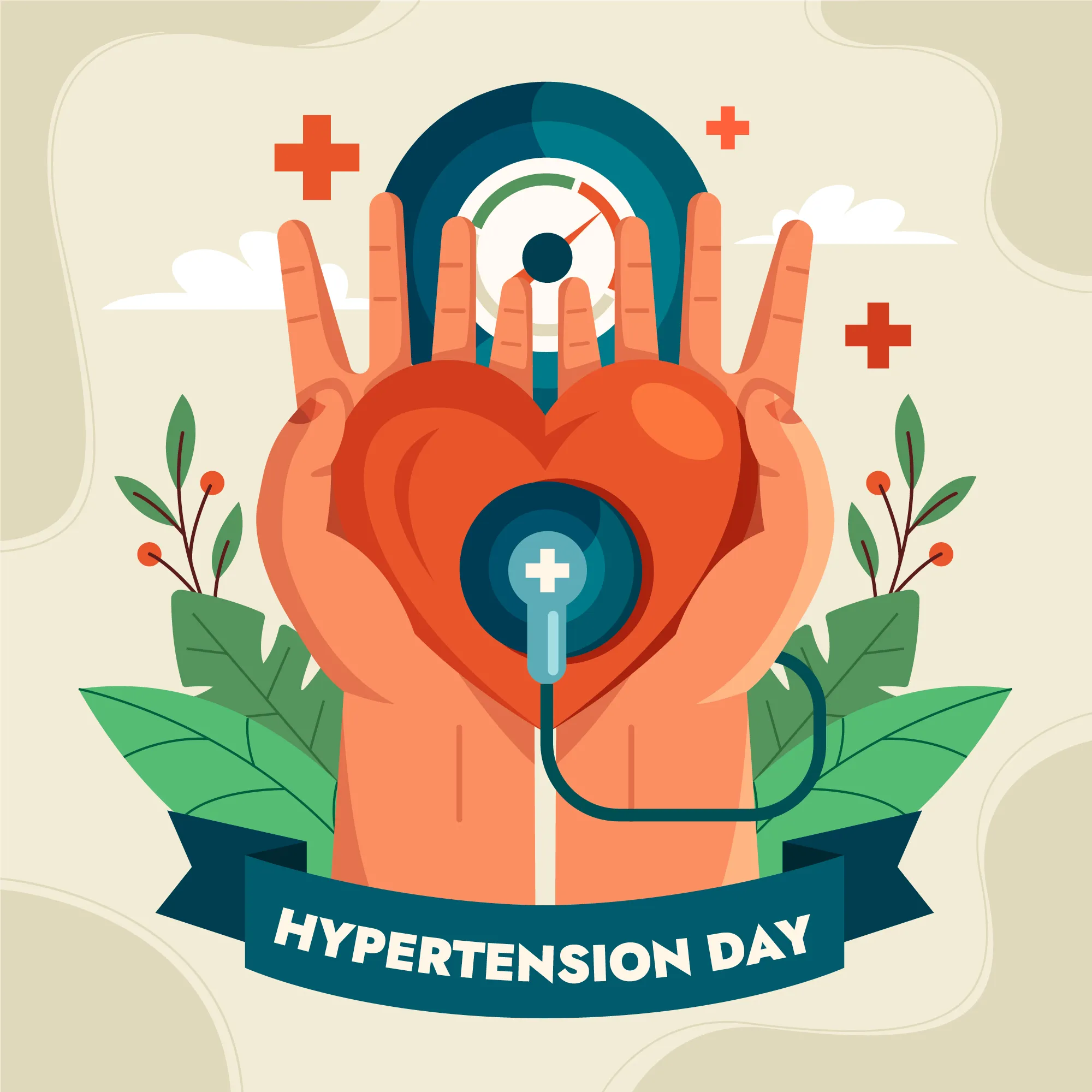
What is hypertension? Symptoms, causes, and Ayurveda treatments
May 26, 2026
Hypertension means high blood pressure — the force of your blood against your artery walls is too high, consistently 130/80 mmHg or higher. The "silent killer," as it's most commonly referred to, is asymptomatic in general but can result in serious complications like heart disease and stroke.
High blood pressure is one of the most common diseases in the world today. According to WHO data from 2025, there are currently 1.4 billion adults aged 30 to 79 living with hypertension. What's alarming is that almost half of the people living with this condition are not even aware they have it.
Here's the thing: knowledge is half the battle. You need to understand that you can take back your health. But if you have high blood pressure much of the time, your heart has to work a lot harder to push blood around your body. If this pressure doesn't come down, it will gradually deform your arteries and damage vital organ systems over time.
To safeguard your heart, you need to learn modern medical understanding as well as complete, holistic views. In this guide, we'll discuss the underlying causes of hypertension, uncover the hidden signs, and explore how time-tested Ayurvedic remedies can offer natural and balancing relief.
How Does Blood Pressure Work? What Is the "Silent Killer"?
Hypertension simply means your blood pushes too hard against the walls of your blood vessels. The two numbers used to measure blood pressure are:
- Systolic: The pressure inside your arteries when your heart beats.
- Diastolic: The pressure between heartbeats.
High blood pressure, as defined by healthcare providers in the United States, is a reading of 130/80 mmHg or higher.
Why is hypertension called the "silent killer"? Because it typically develops without any obvious symptoms. You can have exceptionally high blood pressure for years without feeling unhealthy.
However, without proper monitoring, this silent killer can silently damage your heart, brain, and kidneys while reducing your ability to recover from a heart attack or stroke.
- High-intensity headaches that don't respond to ordinary pain medication
- Chest pain or crushing sensation in the chest
- Breathlessness when doing mild exercise or at rest
- Dizziness or unexplained confusion
- Vision problems — sudden blurred vision or other visual changes
- Ear buzzing or sudden nosebleeds
These are symptoms of high blood pressure that demand immediate attention.
What Causes High Blood Pressure? Top Risk Factors Explained
Most healthcare providers classify high blood pressure as primary or secondary. Primary hypertension develops gradually over many years with no single identifiable cause, while secondary hypertension develops quickly and usually has an underlying medical condition.
Top 5 Causes of High Blood Pressure
1. Age and Blood Pressure
Your blood vessels lose some of their elasticity as you grow older, making hypertension more common in seniors. If your family has a history of hypertension, you're also at higher risk.
2. Salt Intake and High Blood Pressure
A high sodium intake and high saturated fat consumption may increase your blood pressure significantly. Most processed foods are loaded with hidden sodium.
3. Sedentary Lifestyle & Obesity and Blood Pressure
A sedentary lifestyle affects your weight and forces your heart to work harder. Regular movement is essential for cardiovascular wellness.
4. Stress and Hypertension
Prolonged high levels of stress can make your blood pressure surge, sometimes dramatically. Chronic stress is a major contributor to sustained hypertension.
5. Secondary Hypertension Causes
Chronic kidney disease, thyroid disorders, and sleep apnea can directly cause secondary hypertension. Acute stress, anxiety, and certain medications can also trigger temporary spikes.
Other contributing factors include excessive alcohol, family history of high blood pressure, smoking, caffeine overuse, and poor sleep habits.
Hypertension in Ayurveda: A Holistic Perspective
Although modern medical providers commonly recommend prescription drugs such as ACE inhibitors or beta-blockers, Ayurvedic treatment for hypertension looks at the whole person and provides holistic remedies to support the root cause of imbalance.
Understanding Dosha Imbalance
Hypertension in Ayurveda is regarded as an imbalance of the Vata and Pitta doshas. Vata is responsible for movement, including the nervous system, while Pitta governs heat and metabolism.
Excess Pitta caused by poor diet creates heat in the body, constricting blood vessels and making the blood too "hot," which raises your blood pressure. Chronic stress worsens Vata, disrupts the nervous system, and contributes to blood vessel tension.
Together, chronic stress and excess Pitta can create the perfect storm for high blood pressure.
Ayurvedic Herbs for Blood Pressure: Natural Solutions
Ayurvedic herbs for blood pressure have been used for centuries to boost heart health and relieve stress. Natural blood pressure management may include several traditional herbal supports commonly used in Ayurveda.
Key Ayurvedic Herbs
Arjuna Herb Hypertension
The number one heart herb in Ayurveda, Arjuna is helpful in fortifying the heart muscles and maintaining healthy circulation. It's specifically valued for cardiovascular support.
Ashwagandha for Blood Pressure
A very powerful adaptogen, Ashwagandha has a special capacity to help the body cope with stress and anxiety — one of the leading causes of Vata-type hypertension.
Brahmi
A cooling herb that calms the nervous system, increases mental clarity, and counters Pitta-related stress and inflammation.
Garlic
Traditionally used to maintain healthy blood circulation and reduce blood vessel stiffness, garlic supports overall cardiovascular health.
Important Caution
For those on prescribed blood pressure medications, Ayurvedic herbs should always be carefully researched in consultation with a qualified healthcare provider. Some herbs can interact with medications and potentially lower your blood pressure too much, creating dangerous hypotension.
Holistic Hypertension Care: Lifestyle Changes That Work
Whether you're using conventional medicine, Ayurveda-based care, or a combination of both, lifestyle changes for blood pressure are essential for long-term benefit.
1. Hypertension Diet: Eat Smart
Make it fresh — eat fruits, vegetables, and whole grains. Ayurvedic lifestyle for blood pressure recommends cooling, easy-to-digest foods, while limiting salty, spicy, and heavy processed meals.
Aim for less than 1,500 milligrams of sodium daily and include heart-healthy fats like coconut oil in moderation. Best foods to reduce high blood pressure include leafy greens, berries, whole grains, legumes, and healthy proteins.
2. Meditation and Hypertension: Reduce Stress
Stress has a direct effect on blood pressure, so work relaxation methods into your daily routine. Pranayama, meditation, restorative yoga, and progressive muscle relaxation can help soothe the nervous system and support healthier readings.
3. Yoga for Blood Pressure: Move Your Body
Can yoga reduce blood pressure? Absolutely. At least 150 minutes of moderate aerobic activity per week strengthens your heart muscles. Exercise for high blood pressure doesn't have to be intense — even a daily 20-minute walk helps.
4. Blood Pressure Monitoring: Stay Aware
Since hypertension is a silent condition, you do the most by checking your blood pressure regularly. Understanding your normal blood pressure range helps you catch issues early.
- Practice deep slow breathing, or Pranayama.
- Try progressive muscle relaxation.
- Drastically reduce sodium intake.
- Exercise cardiovascular daily through walking, swimming, or cycling.
- Drink herbal teas such as hibiscus, ginger, or ashwagandha tea.
- Limit alcohol.
- Get 7–9 hours of quality sleep.
- Manage weight.
Stages of Hypertension & When to Act
- Normal:High-intensity headaches that don't respond to ordinary pain Below 120/80 mmHg
- Elevated: 120–129 and less than 80
- Stage 1 Hypertension:130–139 or 80–89
- Stage 2 Hypertension:140 and higher or 90 and higher
- Hypertensive Crisis:180/120 or higher — seek immediate help
Stress and Hypertension: The Connection You Can't Ignore
What causes sudden high blood pressure? Acute stress triggers the release of hormones like cortisol and adrenaline that temporarily tighten blood vessels and raise pressure. Stress that lasts for an extended period can lead to long-term high blood pressure, especially if it results in unhealthy coping mechanisms like poor diet or drinking alcohol.
Meditation and hypertension management work together because meditation directly reduces stress hormone levels.
Complications of Untreated Hypertension: Why It Matters
Without proper management, hypertension silently damages:
- Your heart —heart disease, heart failure
- Your brain — stroke, cognitive decline
- Your kidneys — chronic kidney disease
- Your eyes — vision problems
- Blood vessels throughout your body
Can Ayurveda Alone Treat Hypertension? FAQ
Can Ayurveda Alone Treat Hypertension?
Through an improved diet, lifestyle changes, and carefully selected herbs, Ayurveda may work wonders with mild to moderate hypertension. But if you read 140 or more, which is Stage 2 hypertension, consult a medical doctor for safe stabilization while working with holistic hypertension care as complementary therapy.
Kizhi therapy involves applying heated herbal bundles to the body. Heat opens pores, allowing herbal properties to absorb through the skin, reducing inflammation, improving circulation, and easing pain.
How Can One Reduce Blood Pressure Fastest Without Medicine?
Deep slow breathing, or Pranayama, and progressive muscle relaxation are the quickest natural methods to reduce blood pressure elevation. For long-term reduction, drastically reduce sodium intake and exercise daily.
Are Ayurvedic Herbs Safe to Combine With Allopathic Blood Pressure Medications?
Not always. Some Ayurvedic herbs can enhance the effects of prescription blood pressure drugs, resulting in dangerously low blood pressure, also known as hypotension. Always consult your primary care physician before introducing new supplements.
Does Stress Alone Cause High Blood Pressure?
Acute stress does cause a release of hormones like cortisol and adrenaline that temporarily tighten blood vessels and raise blood pressure. Stress lasting an extended period can lead to long-term hypertension, particularly if it results in unhealthy coping mechanisms like poor diet or drinking alcohol.
Hypertension Prevention & Blood Pressure Monitoring
Hypertension prevention starts with regular blood pressure monitoring. Know your numbers and track them consistently. Understanding what is hypertension and its early signs helps you catch it before serious complications develop.
Stages of hypertension awareness allows you to take action at the right time — whether that's lifestyle modification or seeking medical intervention.
Conclusion: Take Action Today for Your Cardiovascular Health
The bottom line is this: while hypertension is incredibly common, it's very manageable if you take steps now. Since it's a silent condition, you do the most by checking your blood pressure regularly.
Build a complete blueprint for your cardiovascular health by utilizing the modern precision healthcare provides and fusing it with the wisdom of Ayurveda, which aims to balance your whole being. Start by making one change today — whether it's reducing salt, taking a 20-minute walk around the block, or consuming a soothing cup of Ashwagandha tea before bed.
Your heart is counting on you. Take action today.
Disclaimer
This article is for informational purposes and should not replace professional medical advice. Always consult with your healthcare provider before starting any new treatment regimen, especially when combining conventional medicine with Ayurvedic remedies.
POPULAR
BLOG POSTS
- Ayurvedic Treatment for PMOS: How Panchakarma and Ayurvedic Fertility Care Support Hormonal Balance
Sep 09, 2026 - Ayurvedic Treatment for Women: Hormones, Hair, Skin, Stress & Fertility
Sep 1, 2026 - Leech Therapy Ayurveda for Varicose Veins: Reduce Pain and Improve Blood Circulation Naturally
Aug 27, 2026 - How Panchakarma Treatment Supports Natural Detoxification and Wellness
Aug 20, 2026 - Kerala Panchakarma for Back Pain and Joint Stiffness
Aug 1, 2026 - Ayurvedic Rejuvenation Treatment: What It Is and How It Works
July 21, 2026 - An Ultimate Guide for Ayurvedic Treatment of Sinusitis and Allergies
July 10, 2026 - How Ayurveda Supports Weight Management Without Dieting
June 30, 2026 - Planning a Karkidaka Chikitsa Retreat in Wayanad, Kerala: A Guide for International Guests
June 22, 2026 - Best Time for Panchakarma in Kerala: Why Choose a Monsoon Ayurveda Detox Retreat?
June 8, 2026 - Heal Naturally with Monsoon Treatments in Ayurveda: A Guide to Karkkidaka Treatment
May 30, 2026 - What is hypertension? Symptoms, causes, and Ayurveda treatments
May 26, 2026 - Why Monsoon is the Best Time for Kizhi Therapy in Ayurveda
May 25, 2026 - Why Shirodhara is Done: 7 Powerful Benefits for Mind & Body
April 17, 2026 - 7 Powerful Benefits of an Ayurveda Retreat
April 17, 2026 - Nasyam: The Ayurvedic Nose Therapy That Clears More Than Congestion
March 10, 2026 - Why One-Size-Fits-All Wellness Fails: A Guide to Your Ayurvedic Body Type
Feb 17, 2026 - Ayurvedic Detox: How to Cleanse Your Body the Natural Way
Feb 17, 2026 - Breathe Easy: Natural Ayurvedic Solutions for Sinus and Cold-Season Problems
Feb 7, 2026 - Living in Balance: A Daily Guide to Yoga and Ayurveda
Jan 12, 2026 - 10 Reasons Why Panchakarma Is the Ultimate Detox
Oct 28, 2025 - From Panchakarma to Peace: A Beginner's Guide to Ayurveda
Aug 30, 2025 - Transformative Healing Through Personalized Ayurveda at Shatavari Ayurveda
July 15, 2025 - Balance Your Doshas with the Seasons: A Fresh Approach to Eating
June 29, 2025 - How Vata, Pitta, and Kapha Influence Your Mind, Body, and Energy ?
June 13, 2025 - Why an Ayurveda Resort in Wayanad Is the Ultimate Wellness Gateway ?
May 29, 2025 - Ayurveda Leech Therapy: A Time-Tested Healing Practice
April 22, 2025 - Cupping Therapy: An Ancient Healing Practice for Modern Health
April 3, 2025 - Ayurveda for Mental Wellness: Healing Stress and Anxiety Naturally
March 8, 2025 - The Science Behind the Healing Power of Ayurveda
Feb 20, 2025 - Panchakarma: Five Ayurvedic Therapies for Effective Detoxification
Feb 11, 2025 - Why Ayurveda Could Be Europe’s Hottest Wellness Trend ?
Jan 22, 2025 - Yoga for Health: A Path to Physical and Mental Well-being
Aug 16, 2024 - Ayurveda in Europe: Integrating Eastern Medicine into Western Lifestyles
Aug 16, 2024 - Wayanad United: Shatavari Ayurveda’s Commitment to Healing and Hope
Aug 16, 2024 - Ayurveda: Science of Life - Ancient Wisdom for Contemporary Health
Aug 8, 2024 - Kerala Wellness Centres_ Your Guide to Ayurvedic Detox and Rejuvenation
Jul 20, 2024 - How My Visit to an Ayurveda Retreat Centre Transformed My Life ?
Jul 18, 2024 - What is an Ayurveda Retreat?
Jul 13, 2024 - Shatkarma and Its Role in Modern Yoga Practice
Jul 10, 2024 - Best Ayurvedic Package for Women
Aug 3, 2023 - Yoga: A Holistic Way to Boost Your Respiratory Health and Overall Well-being
Jul 28, 2023 - Does Yoga Improve Lung Function?
Jul 5, 2023 - Best Ayurvedic Treatment for Stress
June 20, 2023 - Where to Get an Ayurvedic Consultation in Europe?
June 26, 2023 - How Is Ayurveda Beneficial For Arthritis?
June 18, 2023 - The Role of Ayurveda In the Constitution of The Body
June 1, 2023 - Which Is the Best Ayurvedic Treatment Centre in Kerala?
May 30, 2023 - The Healing Power of Food
May 23, 2023 - Ayurveda: Ancient Wisdom for Modern Well-Being
May 18, 2023 - Ayurveda's Simple Ways to Reduce Stress
May 2, 2023 - Ayurveda's Ancient Magic Meets Modern Living
April 20, 2023 - Ayurvedic Immunity Boosting Measures
Mar 31, 2023 - Ayurvedic Treatment for Post-Covid Health
Mar 25, 2023 - Indian Spirituality
Mar 13, 2023 - Does Ayurveda Treat Weight Loss?
Feb 21, 2023 - Ayurveda Doctor in Europe
Feb 5, 2023 - Ayurveda Treatments in India: How to Get an Online Medical Visa?
Jan 24, 2023 - Kerala Ayurvedic Centre
Dec 10, 2022 - Ayurvedic Spa Treatments
Nov 25, 2022 - Ayurvedic Capsules for Good Health
Oct 10, 2022 - How Can Ayurvedic Treatment Help People with Diabetes?
Jun 3, 2022 - Why Is Kerala Considered the Ideal Destination for Ayurvedic Treatment?
May 10, 2022